Hyde Park and Oakley look easy on a map, tucked along the east side with tree-lined streets and tidy grids. Anyone who has moved there knows better. You get narrow lanes with cars parked on both sides, older homes with original wood floors, basements with tight turns, and third-floor walkups that test lungs and patience. On a rainy Saturday, the square can feel like a maze, and on summer Saturdays, it might as well be a parade route. A move through these neighborhoods requires timing, finesse, and a crew that understands how the area actually moves, not how it looks on a dispatch screen.
Several patterns show up again and again. Driveways that barely fit a pickup, let alone a large box truck. Shared alleys that require a backing plan and a spotter. Historic trim that chips if you rush a sofa through. Freight elevators in newer buildings with strict time windows. And neighbors who care about landscaping, quiet hours, and where a truck sits during lunch. A team either respects those realities or it turns a simple relocation into a headache.
The ground truth of Hyde Park and Oakley moves
On paper, a two-bedroom home in Hyde Park might list 5 to 6 rooms and thirty boxes. In practice, the basement holds a workbench that weighs as much as a compact car, the dining room table is a single slab of hardwood eight feet long, and the third-floor nursery has a sectional that was assembled in place. Oakley flats often add another twist, like a freight elevator that requires a reservation or older stairways with uneven risers. You can get big items up those stairs. You just need the right angle, hands, and tempo.
Timing matters. Hyde Park Square and Oakley Square run on their own rhythm. Early mornings reduce traffic. Midweek beats Friday afternoons. If a condo association only allows elevator holds between 9 and noon, the day starts with that building and then moving companies near me pivots to a house where street parking is easier after lunch. Crews plan load sequences so their heaviest items align with the easiest carry portion of the day, especially when heat or cold can sap the team.
Why parking and approach planning decide the day
Most tough moves blow up in the first hour because access was an afterthought. Street parking in Oakley near the square can vanish by 8 a.m. Hyde Park side streets fill quickly with school traffic. When you scout, you look not only at how close you can get, but also at your angle of exit. A truck that noses into a cul-de-sac without a turnaround loses twenty minutes and two good moods. In older alleys, a look ahead for low wires or narrow pinch points saves mirrors and tempers.
This isn’t about showmanship. It is about reducing the number of steps between the door and the truck, then keeping a clear, safe path for the entire carry. If that means a second set of moving blankets laid on a staging area in the yard to cross a muddy patch, you do it. If a steep driveway with loose gravel demands wheel chocks and a curb-side load, you adjust the load plan so the heaviest items ride up on the first pass.
Manifest Moving’s approach to East Side logistics
Crews that know the east side plan for variety. One day you’re working a brick four-square off Erie Avenue with a stone front walk that’s slick under leaves, the next you’re in a newer Oakley development with a clean driveway and a garage staged wall-to-wall with holiday bins. The standard kit includes neoprene stair runners, ram board for high-traffic hallways, extra banister padding, and corner guards that can handle plaster edges as well as sharp drywall corners.
Hydration and pace matter more than most people think. Summer heat off the pavement in Oakley’s narrower streets lingers. Winter winds off the Ohio River cut straight through an open truck bay. Smart crews rotate inside and outside roles, keep a steady cadence on stairs, and pay attention to floor protection as shoes collect moisture or grit. It is not glamorous. It is how you avoid damage late in the day when a step misjudged can turn an antique into a repair bill.
How Manifest Moving protects floors, trim, and time
Moving a high-value sofa around a historic newel post comes down to patience, muscle memory, and the right wrap. Manifest Moving trains crews to pad wrap at the doorway, not at the truck, when a tight exit route is involved. That adds a minute, maybe two. It removes the risk of brushing a bare fabric cushion against a wall corner or the rail. Flooring sits near the top of the risk list. Most Hyde Park homes feature original hardwood with thin finishes that scratch if grit sneaks under a runner. Poly-backed runners prevent wicking and stay put better on old varnish. Ram board seams get taped, then checked again after the first heavy carry because movement happens.
The time saved by skimping looks tempting early. It is false economy. Rewrapping a dinged piece or cleaning a scuffed wall takes far longer than laying proper protection at the outset. That discipline builds margin into a day, not because the crew moves slower, but because it avoids rework.
Navigating built-ins, antiques, and specialty items
Hyde Park and Oakley hold collections that reward care: leaded glass cabinets, mid-century credenzas, marble-topped buffets, and home gyms tucked into basements with low ceilings. A single marble top can swing the day if it cracks. So can an armoire with brittle veneer that flakes under a strap.
Built-in cabinet removal shows up more often than people expect. Some are truly built into the wall. Others are freestanding units anchored for safety. Removing them safely requires a few steps in the right order: inspect the anchor points, locate and protect the attachment area, unload shelves, then detach hardware without prying against finish surfaces. Crews carry painter’s tape, zip bags for hardware, and a habit of labeling. That habit pays off during reassembly when the correct bracket goes back on the piece instead of relying on guesswork.
Antique transport isn’t only about padding. It is about where the item rides in the truck and who handles it. Low center, near front, strapped with broad contact, never on edge if its joinery depends on glue rather than modern fasteners. Curves and fragile carvings get extra air space. The difference between a tight, safe pack and a risky one can be one extra blanket folded to fill a void.
Gym equipment, appliances, and the big awkward things
Home gyms keep getting more complex. A power rack is simple in concept, but the path out of a basement often turns simple into a puzzle. Measuring the diagonal clearances before you pull bolts prevents a mid-stair pivot that jams the piece and grinds a post into a riser. Weight stacks on cable machines need zip ties at intervals, not just a single strap, so plates do not slide and scissor fingers. Treadmills with folding decks look friendly until you remember that the heaviest section sits at the end furthest from the handhold. Two movers who have worked together can feel that tipping point, but there is no harm in adding a third set of hands for the stairs.
Major appliances bring a different set of risks. Water lines and drain hoses can soak a box full of books if someone forgets to cap an end or tilts a washer too soon. Dryer vents sometimes hide clamp screws behind trim. Pressure can snap brittle gas line adapters if you twist without backing the wrench. Manifest Moving crews carry appliance dollies with crank straps, firm furniture sliders for tight kitchens, and caps for water fittings. They note service shut-off valves before disconnecting anything. Mistakes here cost more than time.
Winter, spring, and Cincinnati’s weather curveballs
Moving during Ohio winters is a lesson in moisture management and traction. A few degrees and one freezing mist line the front steps with a clear, treacherous glaze. You sand or you salt, then you double-check handholds before any heavy carry. Runners get swapped when they get wet. Cold contracts furniture. A solid hardwood tabletop that rides tightly in August might prefer a little extra room in January. Extra padding and careful strap pressure respect that seasonal movement.
Spring brings mud and pollen. Plastic sheeting under runners in entryways helps keep grit down. Wider staging zones outside, even if it adds a few steps per item, save floors and keep the pace steadier. Summer in Oakley can be hot, and a narrow street lined with brick amplifies it. Heat saps grip strength. The best teams change the rotation for stairs and heavy carries so no one takes three flights twice in ten minutes.
Weather-responsive practices that reduce risk
Weather adds failure points you can predict. Rain turns cardboard weak at the seams. A crew that wraps at the door and runs plastic where it needs to run keeps loads intact. Wind gusts grab mattress bags and flop them off dollies. You angle into the wind or add a second hand ahead of a corner. Cold stiffens plastic wrap; you adjust by using extra pads under wrap to protect finishes rather than relying on wrap alone to keep friction. None of this feels dramatic on a good day. On a hard day, it is the line between damage-free and damage.
The small choices that keep neighbors and HOAs happy
Hyde Park and Oakley hold tight-knit blocks and active associations. Respect is not complicated. Equipment stays off lawns. Walkways stay clear. Engines idle less when the truck sits near a window. A cone or two saves a mirror from a delivery van’s turn. Crews who greet a neighbor and offer to shift position for five minutes buy a lot of goodwill. That courtesy pays off when you need an extra foot of space to pivot a sofa and the neighbor with the best spot chooses to help rather than complain.
For condos and managed buildings, elevator holds and dock windows are strict. Teams that show up early to stage pads in the elevator and protect doorframes make friends with building managers. Those friendships matter when schedules slip and you need a fifteen-minute grace period. Posted quiet hours also matter. An early morning load-in can happen quietly, with extra care on the ramp and fewer thrown carries. The move gets done either way. One path leaves a good impression.
Manifest Moving in Hyde Park and Oakley: what experience looks like on move day
When Manifest Moving handles a Hyde Park move, the prep work starts days in advance. A coordinator confirms access points, notes whether a truck should stage on the street or a rear alley, and flags any narrow doorways or steps based on photos and a walkthrough. On move day, the lead checks flooring and routes first, then assigns roles: one person on door protection and layout, two on wrap and carry, one on truck load plan, rotating every hour. That rotation keeps energy even. It also means the person loading the truck understands what is coming next and can build a stable tier that matches the flow.
In Oakley apartments with elevators, the crew pads the cab in minutes and works to a cadence that respects other residents. Stack heights inside the elevator stay below sight lines so no one backs into a passerby. It is the kind of common-sense move that prevents bumps. Where a freight elevator is tight, pieces are measured before the first ride, not tested with a full-size sofa that gets stuck half-in, half-out.
The Manifest Moving standard for protection and care
Damage-free service is not a slogan you hang on a wall. It shows up in how you treat a brand-new paneled refrigerator or a century-old doorframe. Manifest Moving trains its crew to treat every home like it will be photographed after the move. That mindset changes how you set down a dolly, where you lean a headboard, and whether you wipe a stair tread that just picked up grit. When something does not fit the easy way, the team stops, unwraps, and tries the safe way rather than forcing a turn that will cost trim and time.
Insurance and certifications sit in the background, but they matter. A mover certified by the Ohio Department of Commerce has met baseline requirements for operating standards, safety, and legal compliance. It also speaks to a company’s willingness to be accountable. The crews still have to perform, yet credentials mean the basics are in order and the office side won’t unravel when you need support.
Specialty rooms: kitchens, media rooms, and closets that travel poorly
Kitchens take time. Modern kitchens mix heavy, fragile, and expensive in one tight space. Glass-front cabinets, stoneware, and small appliances with cords and attachments require methodical packing. The fastest path is rarely the safest. Stacks built with alternating plates and bowls, sleeves for stemware, and double-walled boxes for the heaviest items reduce risk. Labeling in detail helps the other end go smoother: “Upper left of sink, daily mugs” beats “Kitchen - miscellaneous” every time.
Media rooms in Hyde Park basements or Oakley second floors often include a cluster of cables that look identical until they don’t. A photo before detaching, a small label on each cable, and a clear bag taped to the back of the TV mount make reinstallation straightforward. Large TVs travel upright, never face-down, and padded edges protect screens from subtle pressure points. Soundbars ride wrapped and separate from brackets. Subwoofers prefer the floor in the truck near a wall, strapped, not perched on a shelf.
Closet systems and built-ins need sequencing. Pulling shelves from top to bottom, then removing uprights, avoids sag and warping. Hardware goes into labeled bags by section. It seems tedious. It saves hours later, especially when the destination closet has different stud spacing and you need the original hardware as a reference.
The rhythm of a good load plan
The best truck pack for a Hyde Park or Oakley move looks like a puzzle solved as you go. You build tiers with flat, sturdy surfaces, strap each tier, and use light items to fill voids without creating pressure points. Mattresses and box springs often ride at the side wall, strapped and protected, not as last-minute patches. Sofas stand on end if the legs and structure allow it, wrapped to the floor to avoid scuffs. Heavy pieces like dressers and buffets anchor the base. A marble table top never stands on its edge unless crated. When the truck closes, it should travel quietly, even over the patched sections of Madison Road or the dips near Edwards Road.
A brief checklist for east side day-of readiness
- Confirm parking and elevator access the day before, including any reservation numbers and time windows. Clear a staging area inside the front door, then lay protection on floors, stairs, and banisters. Measure tight turns and stairwells before moving the first large piece. Disconnect and cap water and gas lines for appliances, and verify shut-off valves. Photograph and label cable setups, hardware, and shelf positions for quick reassembly.
That short list trims the friction few people notice until something goes wrong. It also sets a tone at the start: method first, muscle second.
When luxury or historic meets logistics
Luxury home relocations in Hyde Park often combine high-end finishes with strict timelines. You might be coordinating with a designer, an art installer, or a contractor finishing a punch list. Packing materials change here. Double-soft wraps for delicate finishes, custom crates for art or stone, and climate awareness for sensitive pieces come into play. Crews move slower on the threshold work, then make up time on straightforward boxes and standard furniture. The trick lies in protecting the few irreplaceable items without letting the rest of the house stall.
Historic homes add the element of preservation. Plaster cracks if you slam a door or vibrate a stair landing with repeated heavy drops. Crews reduce that risk by varying carry paths, distributing weight, and keeping a hand on rails instead of relying solely on straps. When a doorknob sits loose in a vintage latch, tape and a pad keep it from popping out during a tight pivot. These are small techniques learned after a hundred similar doorways, and they save owners and movers from frustration.
Coordination across neighborhoods and counties
Moves rarely stay in one pocket. Plenty of Hyde Park families step over to Oakley for walkable living, and just as many head out toward Anderson Township, Indian Hill, or Clermont County for more space. Each area has its own quirks. Anderson might bring steep driveways and split-level stairs. Indian Hill often has longer carries from detached garages and gate codes at the entrance. Clermont County adds rural approaches that get muddy after rain and long gravel lanes that shake a truck’s load.
A team that manages Hyde Park and Oakley smoothly adapts quickly to those shifts. Manifest Moving builds schedules that consider drive time, truck access at both ends, and the simple fact that unloading always seems to go faster in a wide driveway with a clear path than it does on a tight urban street. When the destination sits as the easier end, crews front-load the day with the trickier urban pickup and then open up pace in the afternoon on easier terrain.
Why communication beats assumptions
Transparent communication prevents most day-of surprises. If an elevator is under maintenance, you learn that from the building the day before, not when you wheel up to the lobby. If a historic home has fragile plaster, you plan pads and routes accordingly. Manifest Moving emphasizes that clarity with clients and building contacts. A five-minute call avoids a fifty-minute reset. It is not flashy. It works.
Safety, staffing, and the people doing the lifting
The quality of a move comes down to the crew on site. Vetted team members who have worked together move differently. They anticipate each other’s pivots. They share a vocabulary: “tip up left,” “hold high on the turn,” “strap across the face.” The training program matters, but so does the repetition of real jobs on real streets. New movers shadow veterans on crowded stairwells and learn to read the work: where to plant a foot on a narrow tread, when to reset a grip rather than powering through.
Safety is practical. Gloves that fit. Shoes with tread that still grips after a week of hard use. Ramps dry before you start a heavy roll. No race to beat a yellow light with a loaded truck on Madison. When someone feels a slip underfoot, the carry resets, even if the clock is ticking. That discipline keeps crews healthy and clients happy.
What clients can do to make these moves smoother
Preparation helps. Box weight matters. A set of ten boxes at forty pounds each can be moved faster than five boxes at eighty. Clear labeling speeds layout in the new home. Pathways free of small items prevent ankle nicks and time wasted. Appliances emptied, defrosted, and disconnected reduce mess and risk. Parking saved with a vehicle overnight beats scrambling at 7 a.m. for a spot two houses down.
One more habit pays off. Set aside a parts and remotes box. Every TV remote, every bed bolt, every Allen key and bracket goes into one labeled container. That box rides up front and comes off first at the destination. Reassembly moves three times faster when everything is within reach.
How Manifest Moving keeps standards high on the east side
Teams can move quickly or carefully. With repetition and planning, they do both. Manifest Moving invests in professional-grade equipment, swaps out worn gear on a schedule, and keeps trucks maintained so liftgates and brakes work the way they should when a tight reverse is required. The company’s view is simple: reliable equipment and trained hands reduce risk, and reduced risk keeps days on track. A contemporary fleet standard is not about looking clean. It is about brakes that hold on a steep grade and engines that don’t overheat during a mid-July double run.
Clients sometimes ask about guarantees. Written service guarantees do not change a mover’s grip on a dresser, but they do create accountability. The company takes ownership when something goes off script and fixes it. That expectation, coupled with comprehensive liability coverage, puts structure around the promise of professional care.
A simple pre-move planning sequence for Hyde Park and Oakley
- Walk both homes and measure tight spots, including stairwells and elevator interiors. Identify parking strategies at each location, placing cones or vehicles the night before if possible. Stage packing by room, with special attention to kitchens, media, and closet systems. Prepare appliances and gym equipment, photographing cable setups and labeling hardware. Share building rules or HOA guidelines with the moving team and confirm time windows.
That sequence, if followed, aligns the owner’s preparation with the crew’s execution. Moves feel lighter when both sides know the plan.
The through line: respect for neighborhoods, homes, and the clock
Hyde Park and Oakley do not demand perfection. They reward care and preparation. A move there can feel almost graceful when the right steps are taken in the right order. Trucks park where they should. Floors and banisters stay clean and intact. Elevators stay padded and available. Neighbors wave because they were asked, politely, for a little room and a little time, and then they got both back.
Manifest Moving has put in the hours on these streets and stairwells. The company’s crews have carried marble tops past fragile plaster details, navigated Oakley freight elevators on tight schedules, and rolled dollies quietly at 8 a.m. when families with small children were still waking up two doors down. The lesson running through those days is steady and simple. Protect the home like it is your own. Move with rhythm, not rush. Communicate early and plainly. Do the small things that prevent the big problems. When those habits hold, Hyde Park and Oakley relocations stop feeling like obstacles and start feeling like well-timed operations that end with furniture where it belongs and owners breathing easier.
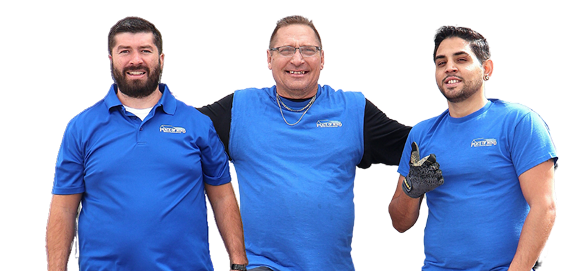
Manifest Moving 2401 Carmody Blvd, Middletown, OH 45042 (513) 434-3453 https://www.movewithmanifest.com/ Manifest Moving has changed the standard for professional moving with positive, upbeat moving crews, clean and modern moving trucks, and a solution-oriented mindset to make even the most complicated moves a breeze. As a dedicated Ohio moving company, we are committed to providing top-quality moving services that ensure a smooth, hassle-free relocation experience backed by professionalism, efficiency, and customer satisfaction.